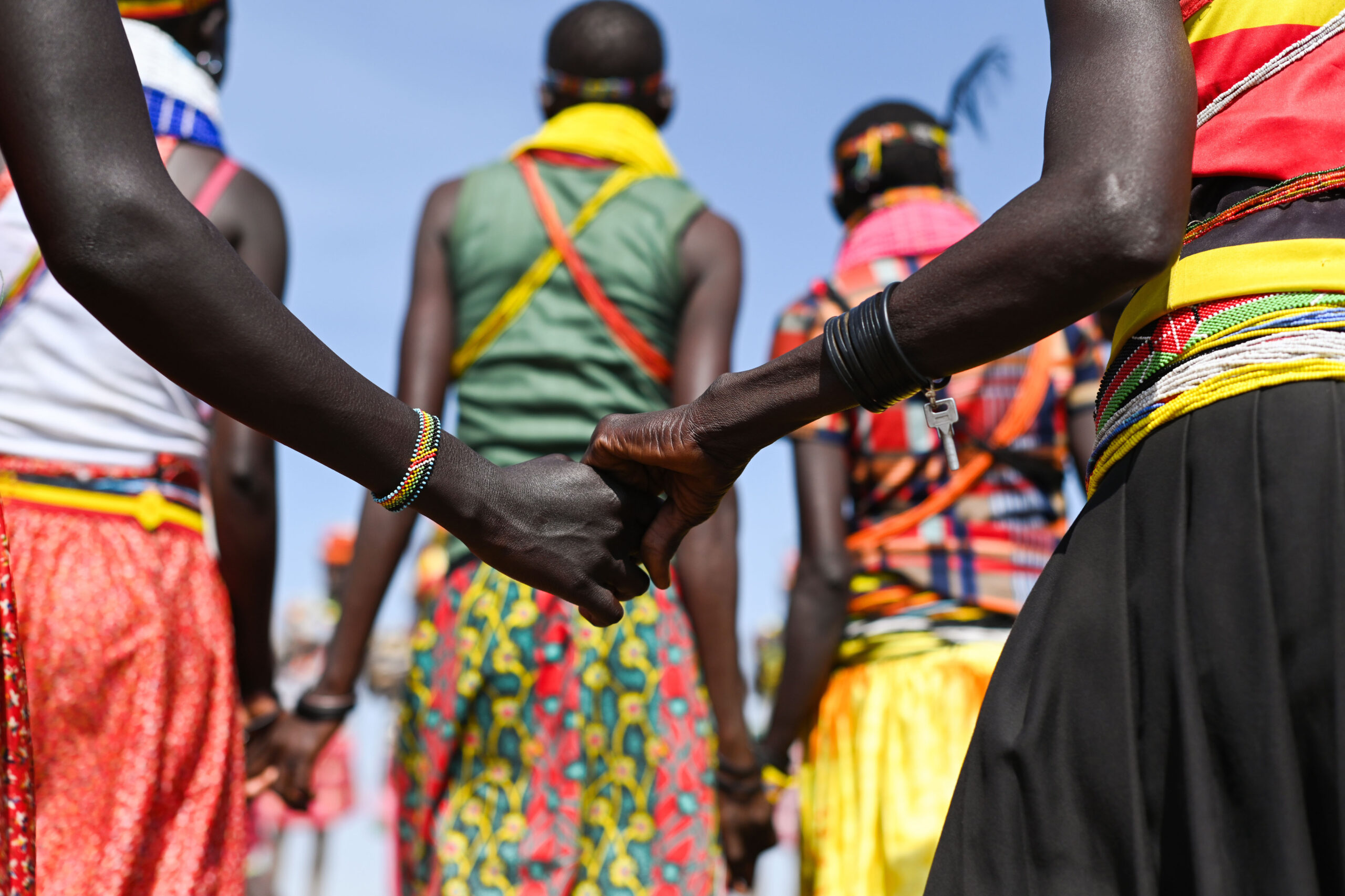
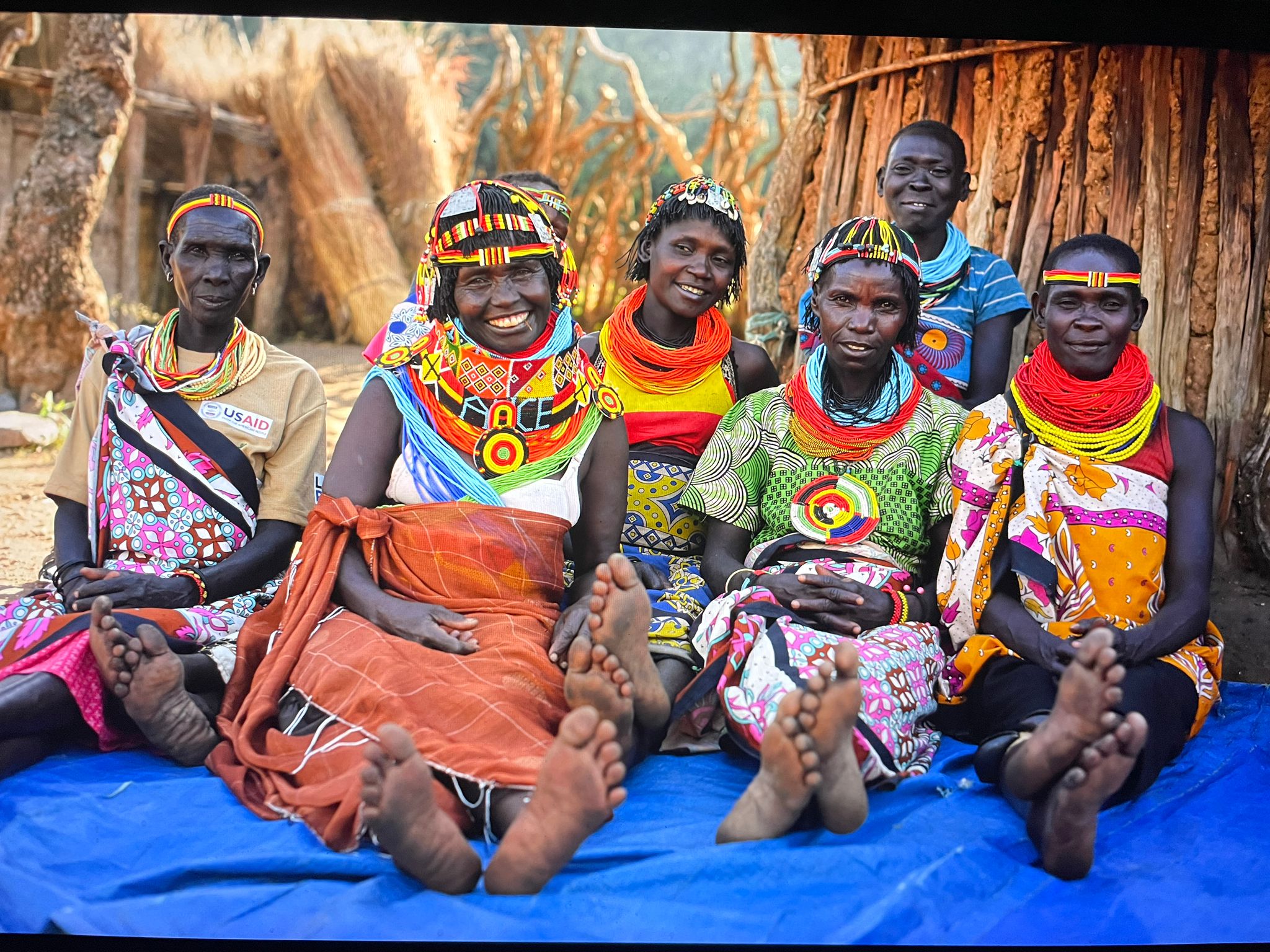
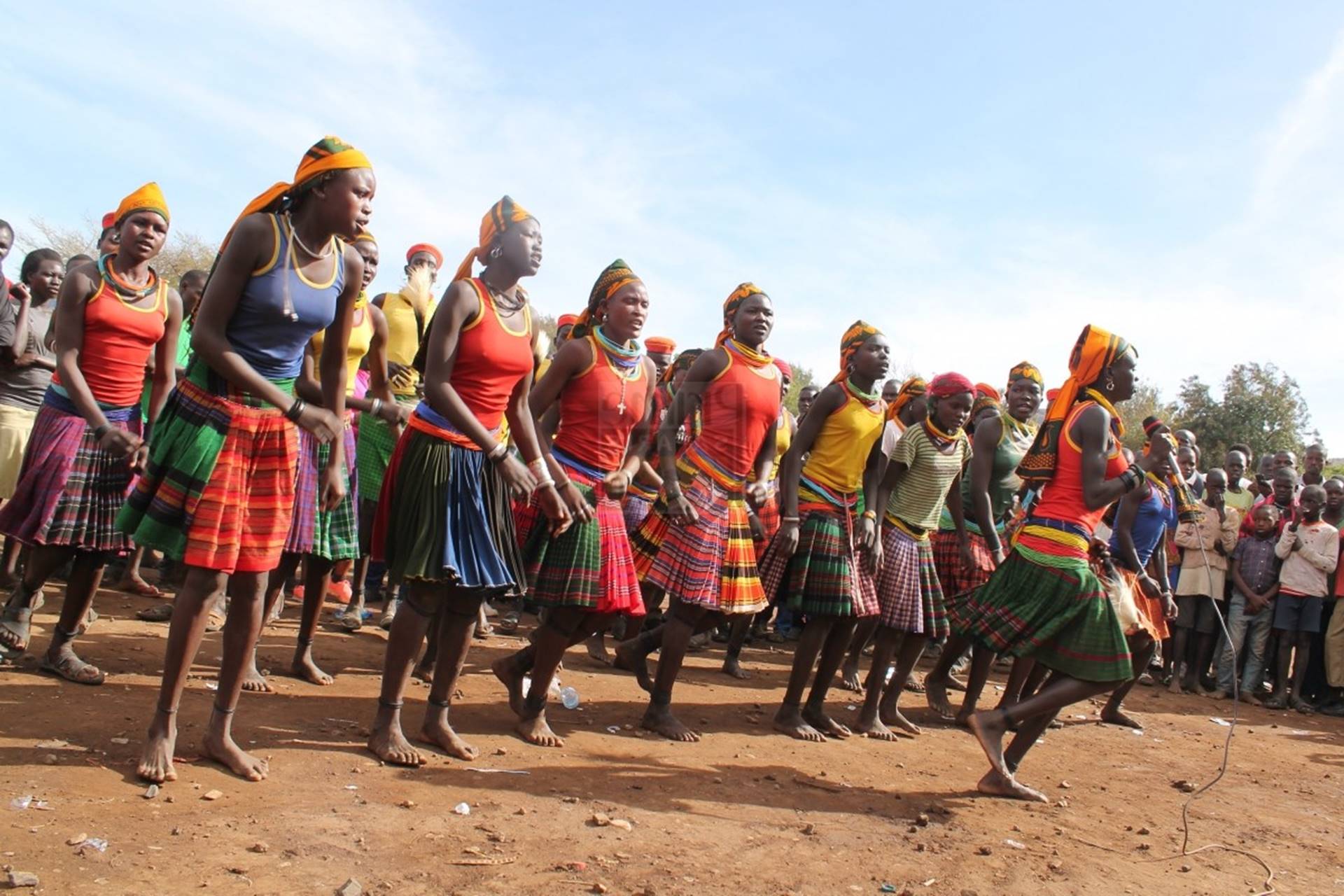
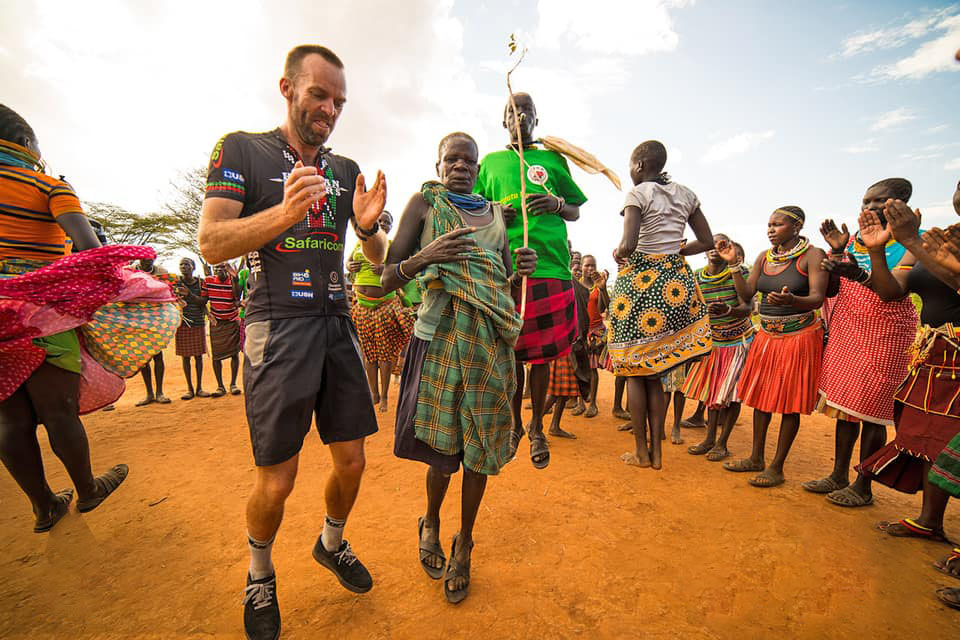
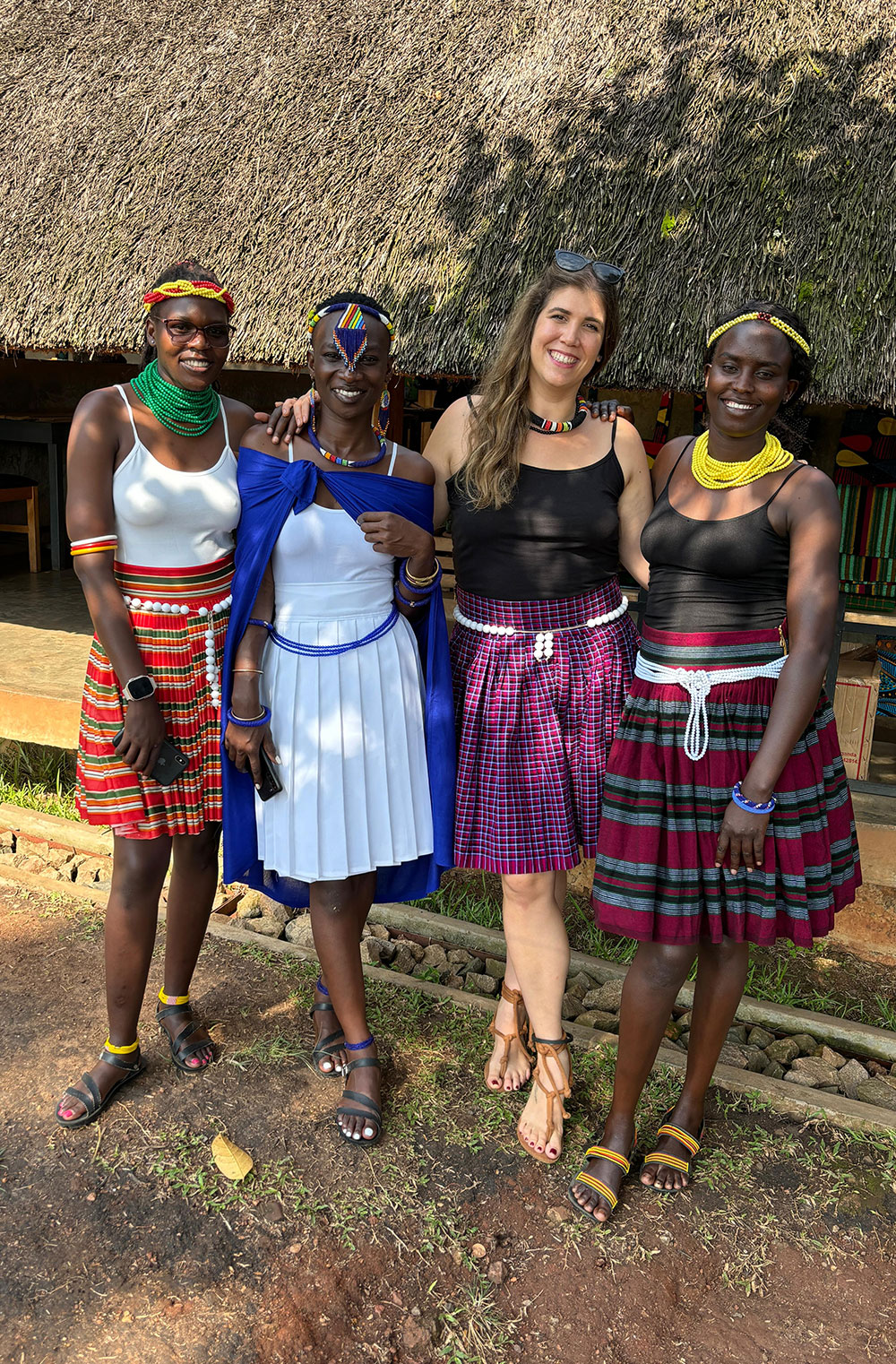
Uganda is home to more than 50 distinct tribes, each with its own language, traditions, food, music, and origin stories. A cultural safari in Uganda is not a staged performance, but a living exchange—where visitors share fireside stories with pastoralists, learn ancestral forest skills from former hunter-gatherers, grind millet with village matriarchs, drum with royal custodians, or cycle through post-conflict communities now rebuilding with pride.
Cultural safaris offer depth, humanity, and connection—ideal for travellers who value meaning as much as wildlife. These experiences can stand alone or pair seamlessly with primate trekking, classic safaris, or soft adventure.
Where Cultural Encounters Happen in Uganda
Karamoja – Pastoral Nomads of the Northeast A land of wide skies, golden savannahs, and cattle culture, Karamoja is home to communities that still live by seasonal rhythms and oral tradition. Visitors may join herdsmen at the kraal, learn bead-craft and warrior dance, hike sacred mountains with local guides, or take part in bush-craft survival walks. Experiences here feel raw, untouristed, and deeply immersive—ideal for photographers, anthropologists, active travellers, and culture-focused groups.
Acholi – Storytelling, Resilience & Rhythm in Northern Uganda In the Acholi region, cultural immersion often begins through community walks, food sharing, traditional dance circles, and storytelling around the fire—led by elders, youth groups, and post-conflict women’s initiatives. Travellers may cycle through village trails, learn how shea butter is hand-processed, cook local dishes, listen to war-recovery narratives, or join a traditional larakaraka dance performance. Acholi culture is warm, expressive, and emotionally powerful—perfect for travellers seeking human connection and social impact tourism.
Batwa – Guardians of the Forest Once forest-dwelling hunter-gatherers, the Batwa lived for generations inside what is now Bwindi Impenetrable Forest. Today, hosted cultural visits allow travellers to learn forest survival skills, ancestral music, honey-harvesting techniques, and the deep spiritual relationship the Batwa still hold with the forest. When delivered ethically—with consent, fair payment, and no staged exploitation—Batwa encounters become meaningful conservation storytelling, not voyeurism.
Baganda – Kingdom Heritage & Court Traditions In central Uganda, culture is connected to a royal legacy. Visitors can explore Buganda’s drum-makers, bark-cloth artisans, ancestral tombs, palace sites, and high-energy dance performances. Activities may include cooking classes, drumming workshops, private heritage tours, or craft market immersion. This is the easiest and most accessible cultural layer to add to an Entebbe/Kampala arrival or departure.
Optional Cultural Extensions
Trek duration: 2–6 hrs (standard) / full day for habituation
Time with gorillas: strictly 1 hour (or 4 hours for habituation)
Small trekking groups (maximum 8 guests per gorilla family)
Porters available and recommended for all fitness levels
Minimum age: 15 years in Uganda and Rwanda
What to Expect
Hosted, not staged, cultural exchange
Activities can be light-touch (1-2 hrs) or deep immersion (overnight, village stay, craft workshop, cattle camp)
Mobile phone photography is permitted only with consent
Interactions led by trained cultural hosts, not actors
Ideal for FIT, family, student, philanthropic, and slow-travel clients
Types of Cultural Experiences
Light Cultural Touch
Active Cultural Immersion
Deep Cultural Stay
Dance performance
Village cycle, cooking lesson
Overnight cattle camp
Craft & market visit
Drumming or bead workshop
Homestay with hosts
Music & storytelling
Forest walk with Batwa elders
Multi-day cultural immersion
How Travel Designers Use This Experience
Adds depth + human connection to primate or wildlife itineraries
Works as a soft-impact alternative to traditional village visits
Strong value-add for family safaris, honeymoons, student groups & philanthropic travellers
Creates differentiator vs. standard “game drive only” itineraries
Ideal for purpose-led, slow travel, or regenerative travel brands
Responsible Travel Note
All cultural encounters offered through ARC are built on revenue-sharing models that directly support host communities. We do not offer staged tourism, orphanage visits, or unregulated “village stops.” Every experience is delivered with community consent, fair compensation, and cultural dignity at the forefront.
Map
Safari FAQs
Are Safaris in Uganda Safe for Your Clients?
Uganda is recognized as one of the most stable countries in East Africa, making it a prime destination for your clients seeking peace of mind during their travels. With its welcoming atmosphere and secure environment, Uganda offers a safe safari experience. From arrival to departure, your clients will be cared for by a dedicated team, ensuring that every need is met. After thrilling days of wildlife viewing, your clients can unwind at carefully selected lodges and camps that blend authentic African charm with modern luxury, providing both comfort and safety.
Will My Clients Have Opportunities to Engage with Local Communities in Uganda?
Many of our safaris offer unique, immersive experiences where your clients can visit local villages and interact with the people of Uganda. If these cultural visits are not part of the itinerary, your clients will still have the chance to gain valuable insights into Ugandan life through their expert local guides. Our guides are natives of Uganda, offering your clients an authentic understanding of local culture and traditions, enriching their safari experience.
What clothing should my clients pack for a safari?
The weather in East Africa can vary widely, so we recommend lightweight, breathable fabrics for daytime and warmer layers for early mornings and evenings. Neutral-colored clothing (such as khaki or olive green) is ideal, as it blends well with the environment and avoids drawing attention from wildlife.
A waterproof jacket is also recommended for unexpected rain showers. Don’t forget mosquito-repellent clothing for the evening game drives. A pair of comfortable shoes for walking safaris is essential.
Send Us An Enquiry
Save To Wish List
Adding item to wishlist requires an account
Don't have an account? Create one.
When you book with an account, you will be able to track your payment status, track the confirmation and you can also rate the tour after you finished the tour.
No hidden fees, Maximum Value 24/7 Dedicated Support Available Curated Experiences, Activities Exclusive Partner Benefits
Need Assistance?
Our team is ready to support your business with any inquiries or service needs. Reach out anytime for expert guidance and solutions tailored to your agency.
When you book with an account, you will be able to track your payment status, track the confirmation and you can also rate the tour after you finished the tour.


 EN
EN  DE
DE
 NL
NL