Safaris with purpose: travel that protects what guests come to see
A conservation safari shifts the role of the traveller from observer to participant. Instead of simply watching wildlife, guests learn how it is protected, monitored, studied, and restored — often on foot, alongside rangers, researchers, and community guardians.
Uganda is one of the most important conservation frontiers in Africa: home to half of the world’s remaining mountain gorillas, rapidly recovering chimpanzee populations, one of the continent’s last rhino rewilding projects, and a growing network of community-led conservation landscapes.
For agents designing ethical, meaningful, impact-driven journeys, Uganda offers a rare combination: hands-on conservation access + community benefit + low-density safari travel.
Why Uganda for Conservation Travel?
Strongest primate conservation success story in Africa (gorillas, chimps, golden monkeys)
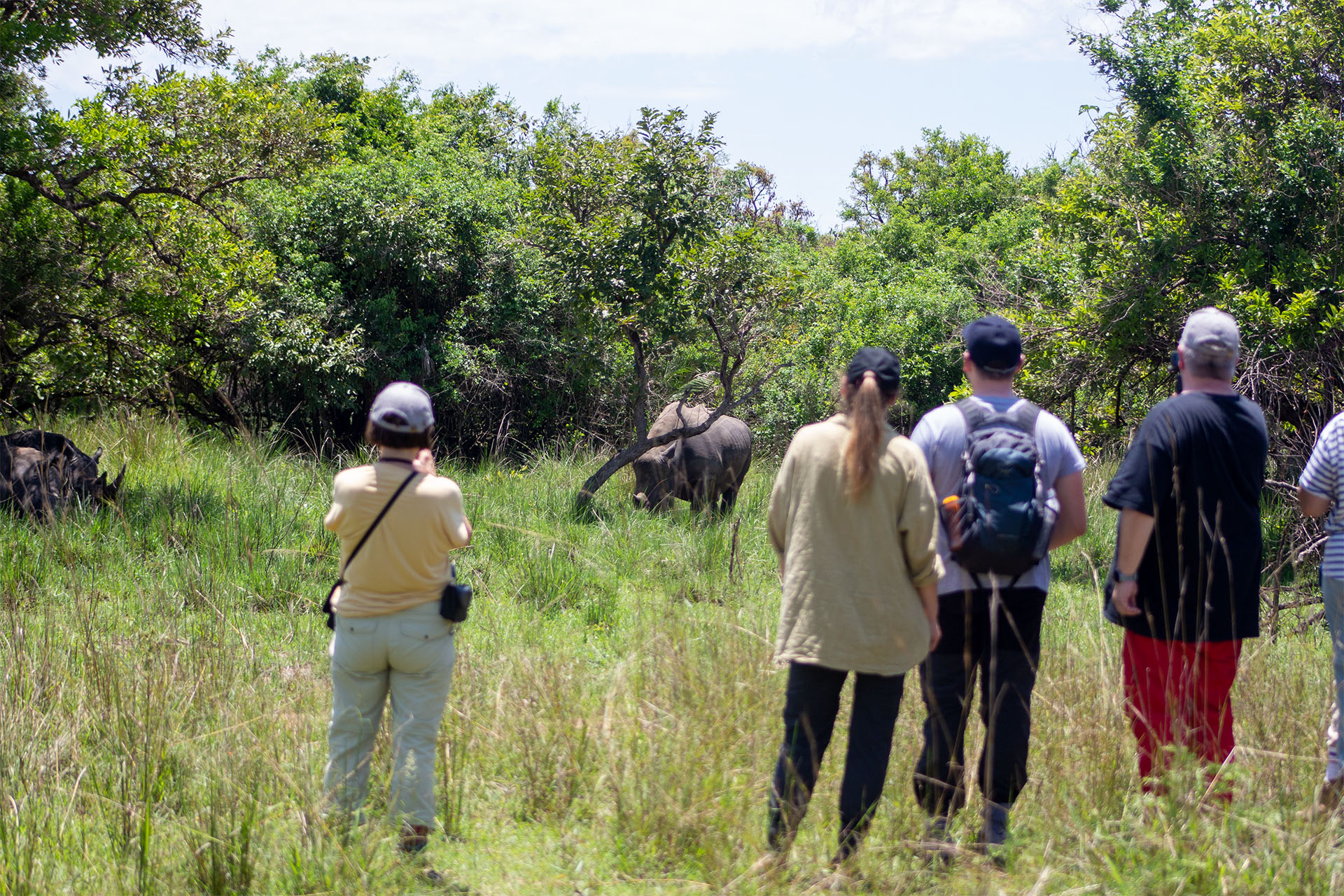
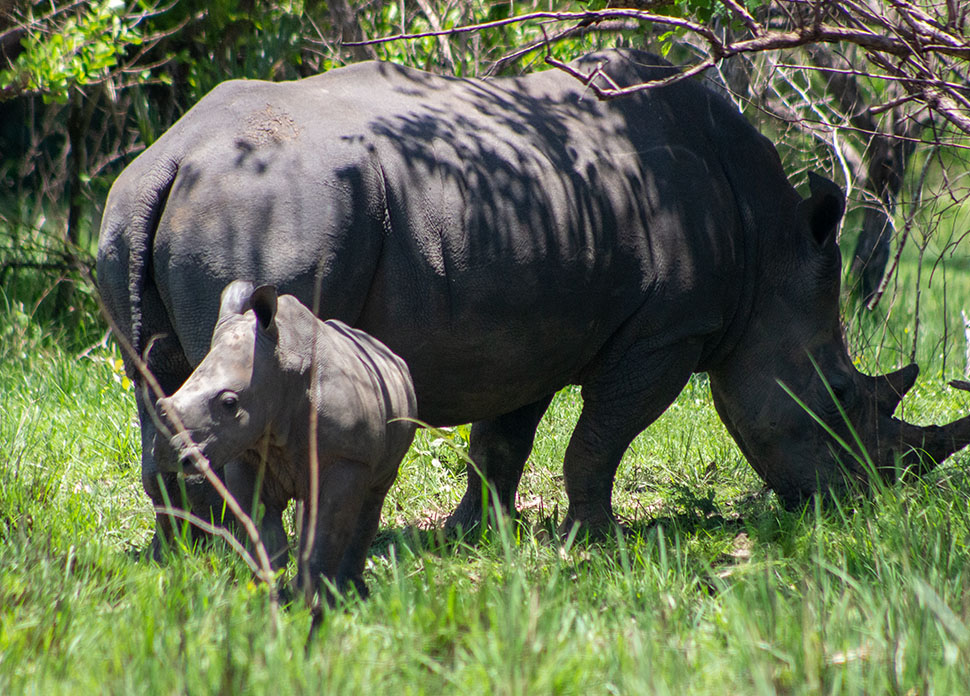
Rhino restoration in progress after extinction in the 1980s — now monitored on foot
Low-volume, high-value tourism model = more revenue per visitor, less wildlife pressure
Conservation and community development are deeply linked — not separate silos
Ideal for purpose-driven FIT, family impact travel, student programs, and donor journeys
Key Conservation Experiences in Uganda
On-Foot Rhino Tracking – Ziwa Rhino Sanctuary The only place in Uganda where white rhinos can currently be seen in the wild. Guests join trained rangers on foot to monitor individuals, learn about anti-poaching work, and understand the long-term reintroduction plan. ✅ Perfect stop en route to Murchison Falls ✅ Age-inclusive, low-impact, highly educational ✅ Full transparency: Ziwa is a rewilding site, not a zoo or fenced exhibit
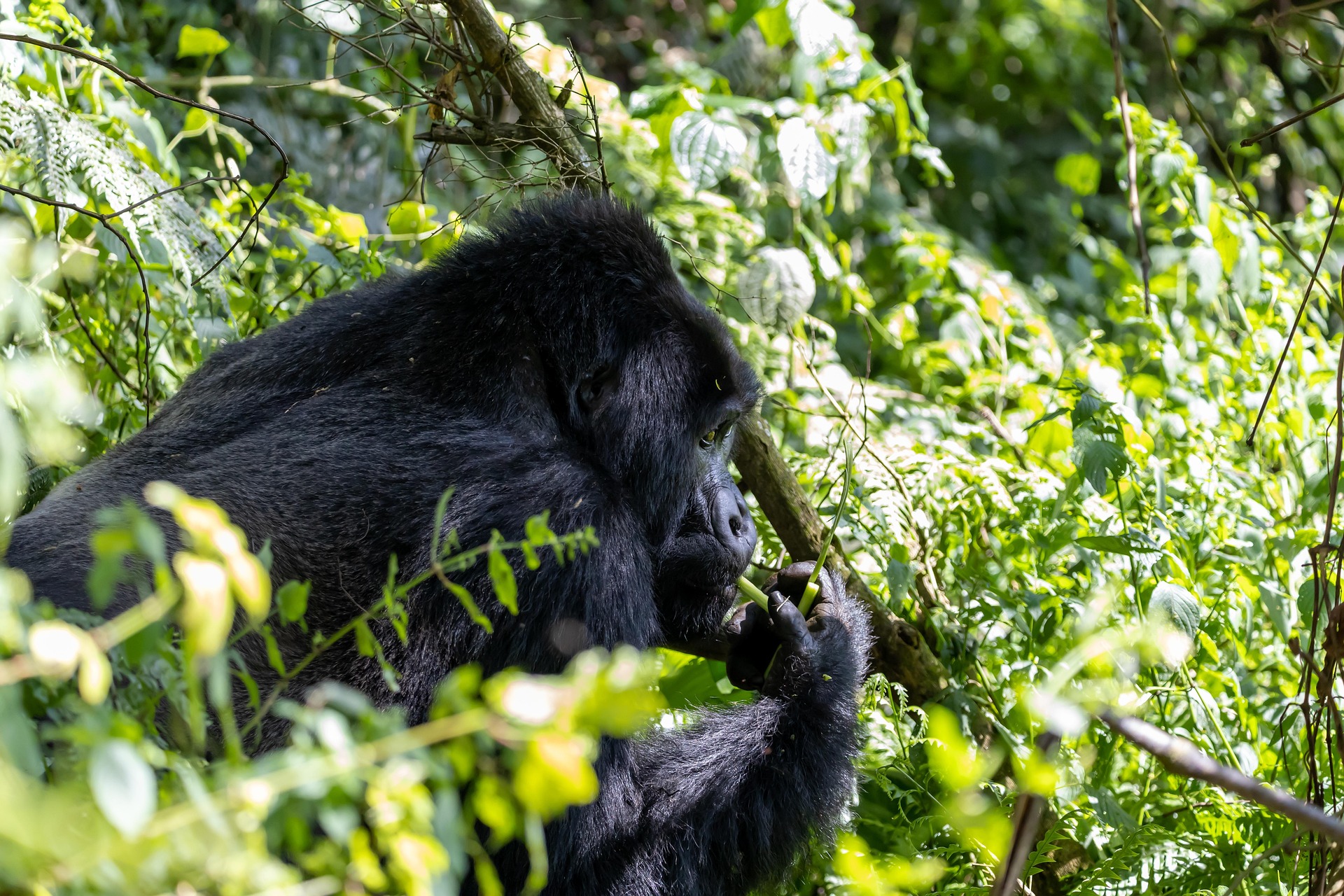
Gorilla Conservation – Bwindi Impenetrable Forest Travellers can join standard treks or the extended Gorilla Habituation Experience (up to 4 hours with researchers and rangers). A portion of every permit directly funds protection, veterinary care, and community revenue-sharing around the park.
Chimpanzee Conservation – Kibale Forest Opportunities include tracking habituated troops, joining researchers to collect behavioural data, or learning how forest corridors protect chimpanzee movement between reserves.
Ranger Shadowing & Anti-Poaching Patrols Available in select regions (Kidepo, Murchison, Queen Elizabeth), these guided walks allow guests to spend time with armed rangers, understand tracking methods, snares removal, conflict zones, and wildlife intelligence networks.
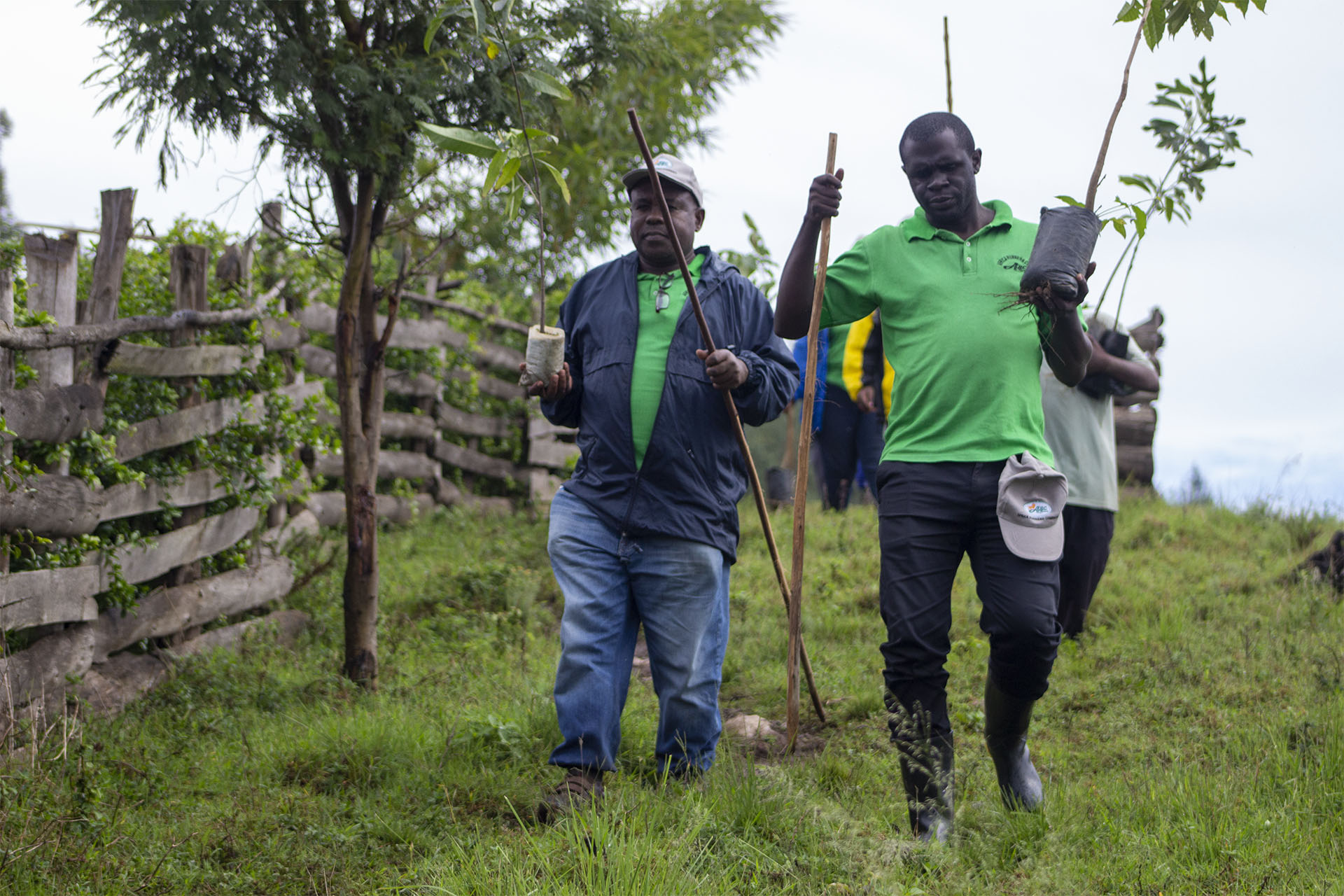
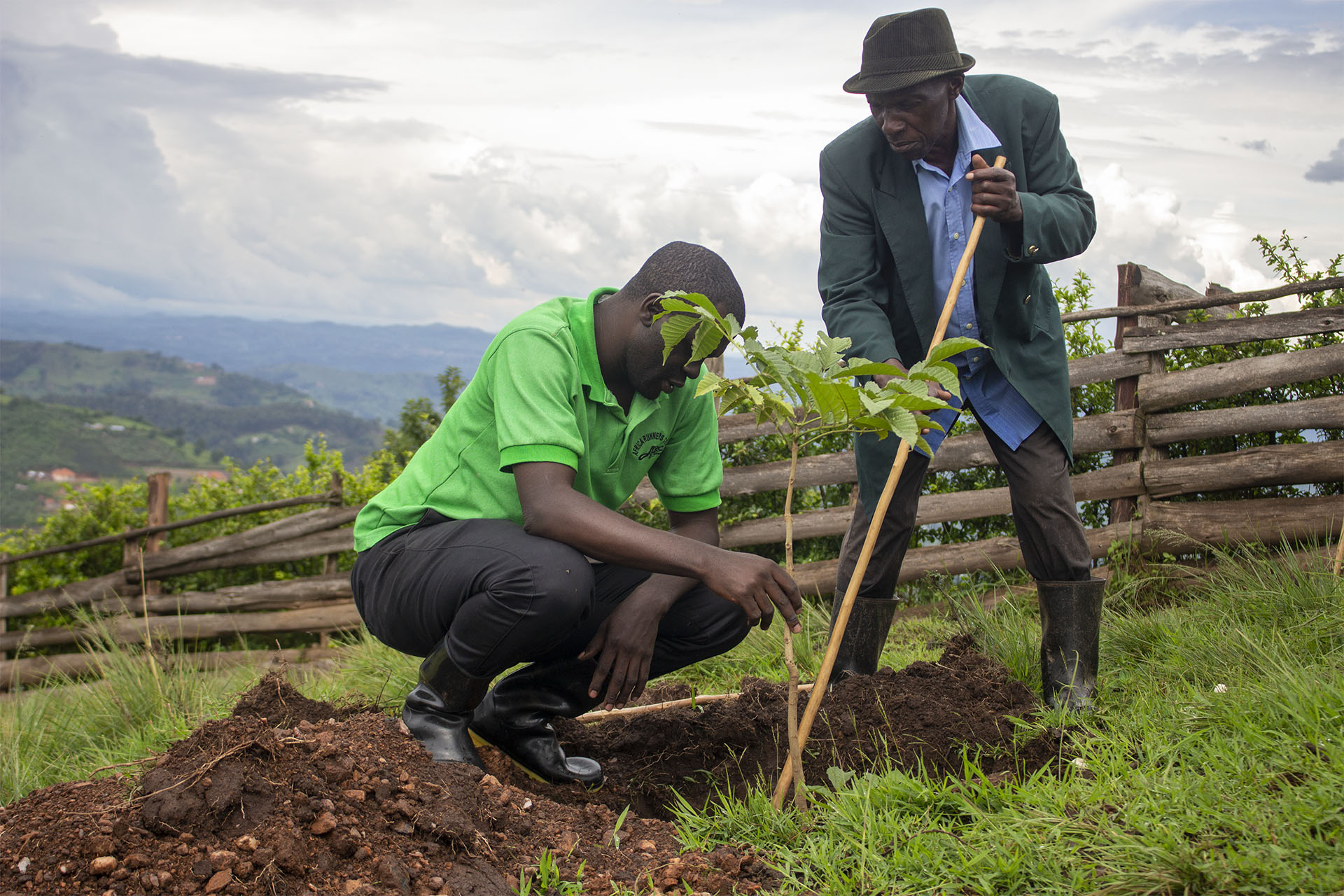
Obumwe Conservation Village – ARC Signature Project A long-term reforestation and livelihood initiative located near Bwindi. Visitors meet women’s groups, craft cooperatives, forest stewards, and youth guides restoring land through tourism revenue, beekeeping, regenerative agriculture, and tree-planting. As founders of Obumwe, ARC integrates conservation benefit into every journey — not as an add-on, but as a core operating principle.
Special Access Research Encounters(by request) • Primate veterinary briefings • Camera-trap monitoring sessions • Community wildlife coexistence workshops • Conservation storytelling & photography projects
Types of Conservation Experiences
Experience Level
Style
Example
Awareness
1–2 hr interpretive experience
Rhino tracking, gorilla briefing, community visit
Active Participation
Half-day to full day
Ranger walk, chimp research trail, reforestation activity
Specialist Access
1–5 days, curated
Gorilla habituation, donor trip, academic field program
Adds meaning + emotional value to a classic wildlife itinerary
Replaces generic “village visit” with ethical, hosted programs
Works as a pre- or post-gorilla add-on, a stand-alone impact day, or a multi-day deep dive
Helps agents differentiate Uganda from traditional Big Five-only safaris
Ideal for signature, themed, or purpose-based departures (CSR, sustainability, youth leadership, etc.)
ARC Positioning
ARC does not “visit” conservation — we participate in it. Through the Obumwe Conservation Village and long-term partnerships with ranger teams, primate researchers, and community cooperatives, every ARC itinerary carries guaranteed benefit to land, wildlife, and people.
Responsible Participation Guidelines
No touching or feeding wildlife
No geo-tagging sensitive species locations
Photography only with permission (wildlife & people)
Dress neutral, respect ranger instructions, stay on designated paths
All conservation access is consent-based, not exploitative or staged
Map
Safari FAQ
Are Safaris in Uganda Safe for Your Clients?
Uganda is recognized as one of the most stable countries in East Africa, making it a prime destination for your clients seeking peace of mind during their travels. With its welcoming atmosphere and secure environment, Uganda offers a safe safari experience. From arrival to departure, your clients will be cared for by a dedicated team, ensuring that every need is met. After thrilling days of wildlife viewing, your clients can unwind at carefully selected lodges and camps that blend authentic African charm with modern luxury, providing both comfort and safety.
Will My Clients Have Opportunities to Engage with Local Communities in Uganda?
Many of our safaris offer unique, immersive experiences where your clients can visit local villages and interact with the people of Uganda. If these cultural visits are not part of the itinerary, your clients will still have the chance to gain valuable insights into Ugandan life through their expert local guides. Our guides are natives of Uganda, offering your clients an authentic understanding of local culture and traditions, enriching their safari experience.
What clothing should my clients pack for a safari?
The weather in East Africa can vary widely, so we recommend lightweight, breathable fabrics for daytime and warmer layers for early mornings and evenings. Neutral-colored clothing (such as khaki or olive green) is ideal, as it blends well with the environment and avoids drawing attention from wildlife.
A waterproof jacket is also recommended for unexpected rain showers. Don’t forget mosquito-repellent clothing for the evening game drives. A pair of comfortable shoes for walking safaris is essential.
Send Us An Enquiry
Save To Wish List
Adding item to wishlist requires an account
Don't have an account? Create one.
When you book with an account, you will be able to track your payment status, track the confirmation and you can also rate the tour after you finished the tour.
No hidden fees, Maximum Value 24/7 Dedicated Support Available Curated Experiences, Activities Exclusive Partner Benefits
Need Assistance?
Our team is ready to support your business with any inquiries or service needs. Reach out anytime for expert guidance and solutions tailored to your agency.
When you book with an account, you will be able to track your payment status, track the confirmation and you can also rate the tour after you finished the tour.


 EN
EN  DE
DE
 NL
NL